
All About Weighted Blankets
The Ultimate Guide to Weighted Blankets: Everything You Need to Know!
Welcome to the guide for therapy blankets!
In this short guide, we will provide you with a lot of valuable information about therapy blankets. Learn more about the benefits of these special blankets. Whether you are already familiar with a therapy blanket or are just learning about its advantages, we want to help you find the best blanket for your individual needs. Let's dive into the world of therapy blankets together and discover how they can enhance your well-being!
Frequently Asked Questions
Effect
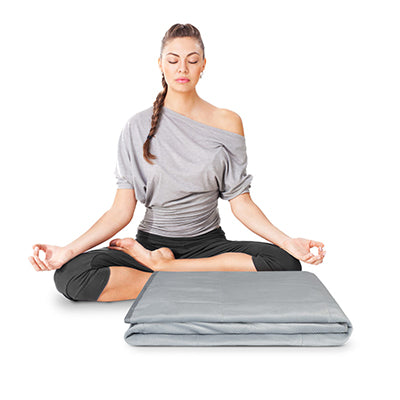
Yes, therapy blankets or weighted blankets can be a valuable addition for many people. Therapy blankets exert a gentle and even pressure stimulation on the body due to their weight, which is known as deep pressure stimulation. This calming effect can reduce stress, promote relaxation, and positively impact sleep disorders, anxiety, and sensory processing disorders.
It helps to calm the nervous system and reduce the release of stress hormones. As a result, the blanket can promote improved sleep quality and a general feeling of relaxation.
However, it is important to emphasize that the effect of therapy blankets can vary individually. While some people experience significant improvements, others may only feel minor effects. It is advisable to try a therapy blanket to determine if it is personally beneficial for you.
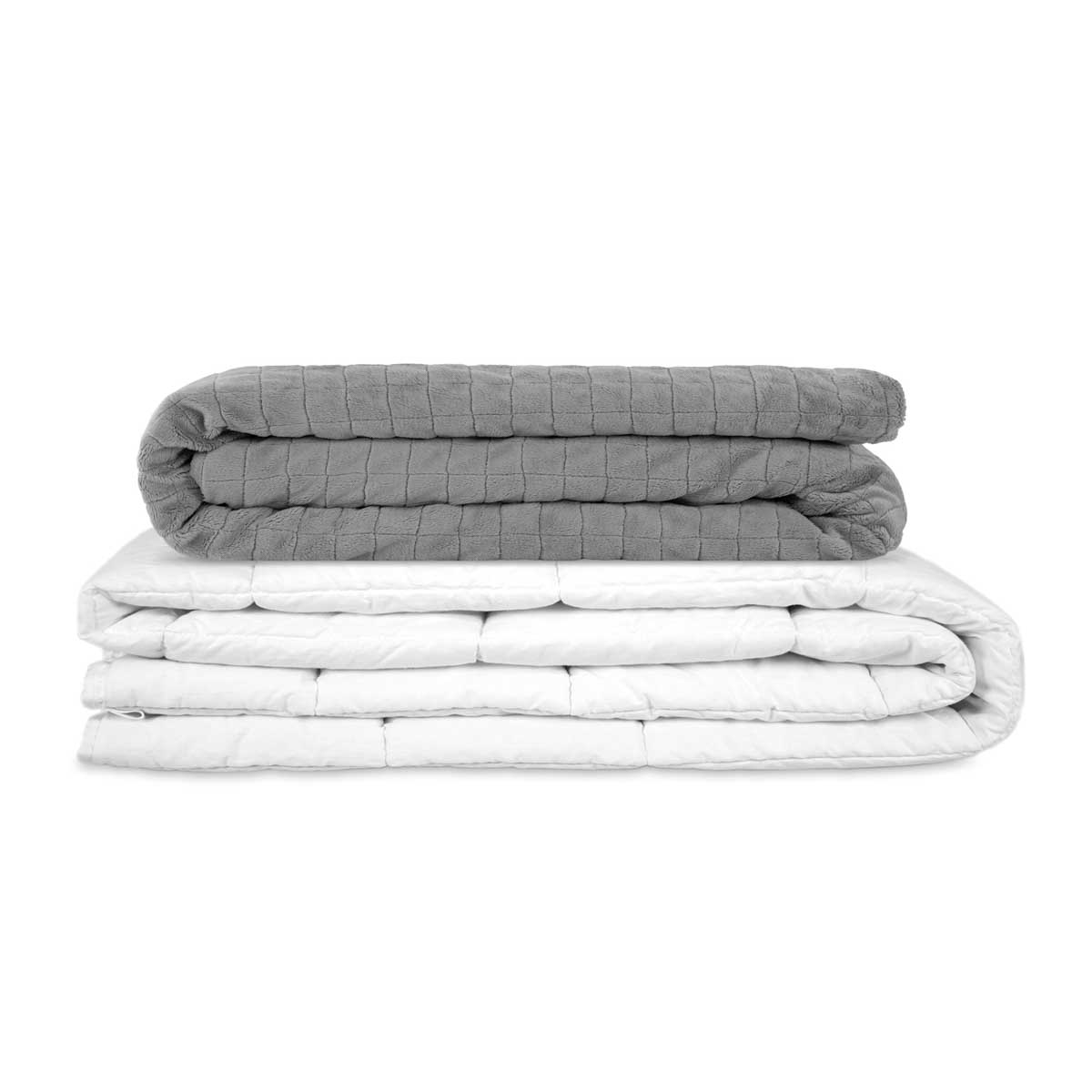
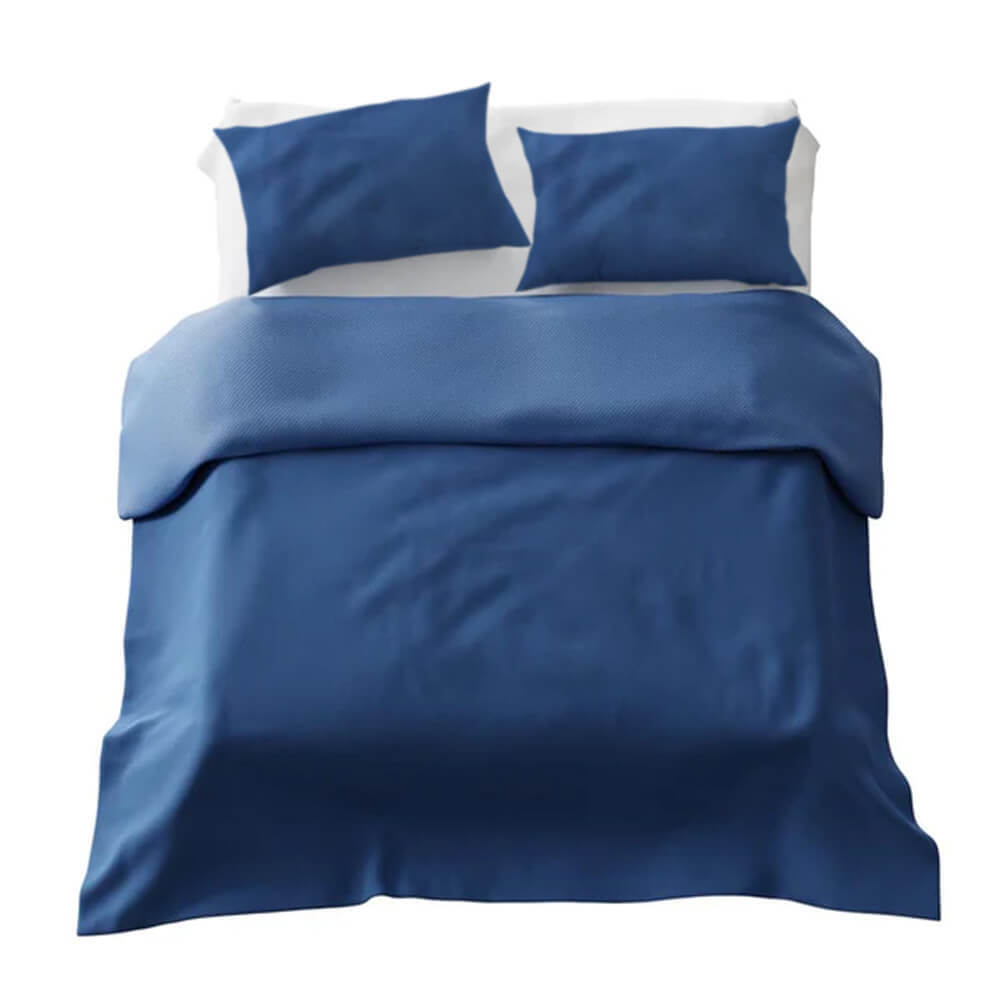
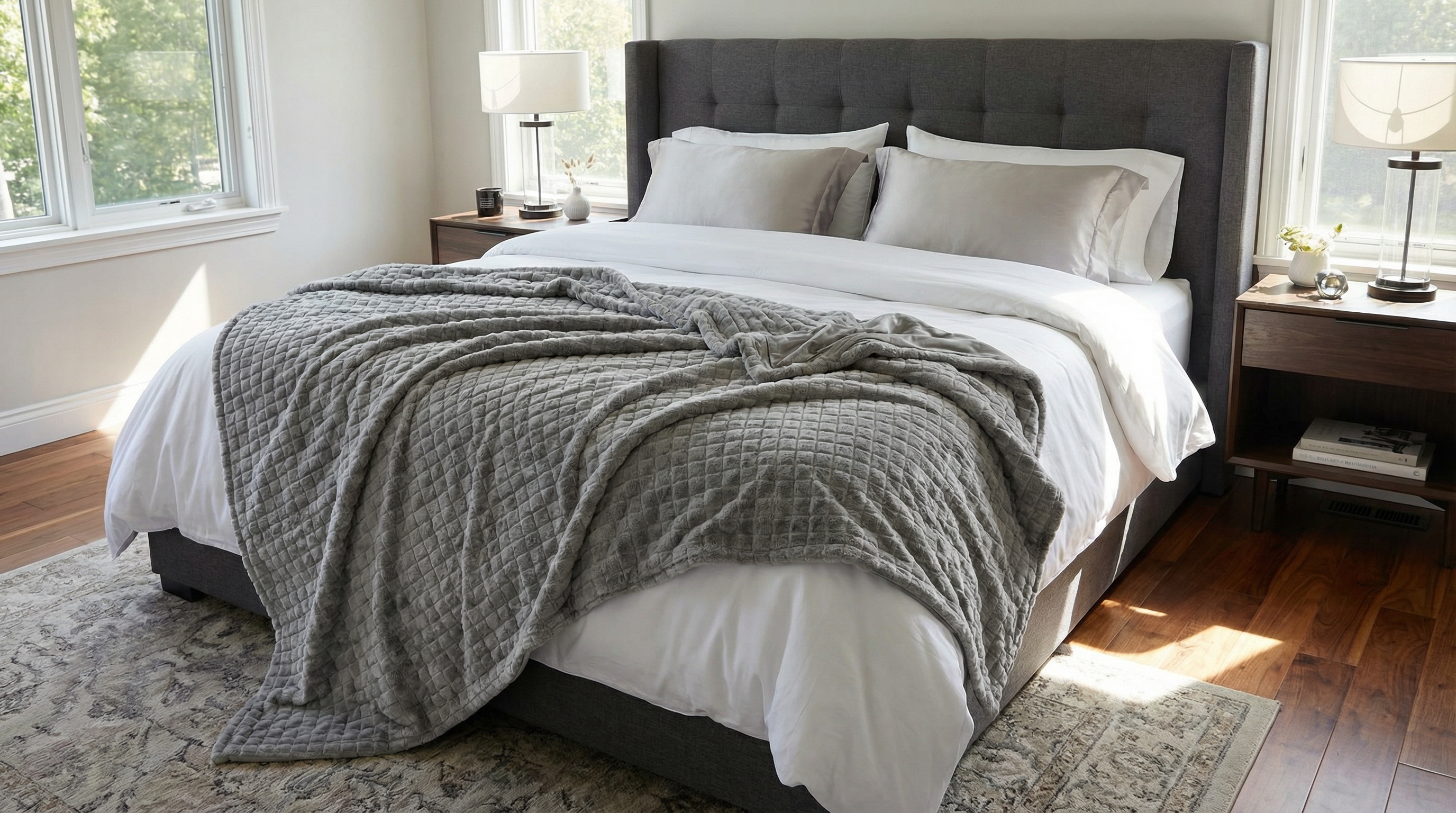
As the name suggests, a weighted blanket is no ordinary blanket. It has weight. This weight is determined by the customer's body weight and height. The deep pressure exerted by the weight has a relaxing effect on the joints, muscles, and tendons. It brings inner and physical calm. Read the full article here: How does a therapy blanket work?
A weighted blanket offers a number of benefits for the user, making it an increasingly popular aid. The main advantage of a weighted blanket lies in its ability to provide deep pressure stimulation. The blanket is designed to apply even pressure, which has a calming effect on the nervous system. Stress, inner restlessness, anxiety and sleep problems can be reduced.
The use of a weighted blanket leads to more relaxation and an increased sense of well-being. Many people report feeling more relaxed and calmer after using a weighted blanket. This can be particularly helpful for calming down and unwinding after a stressful day.
Application
For adults, we recommend choosing a blanket that is approximately 10 percent of your body weight. If you are below or between sizes, you can choose the next highest weight class.
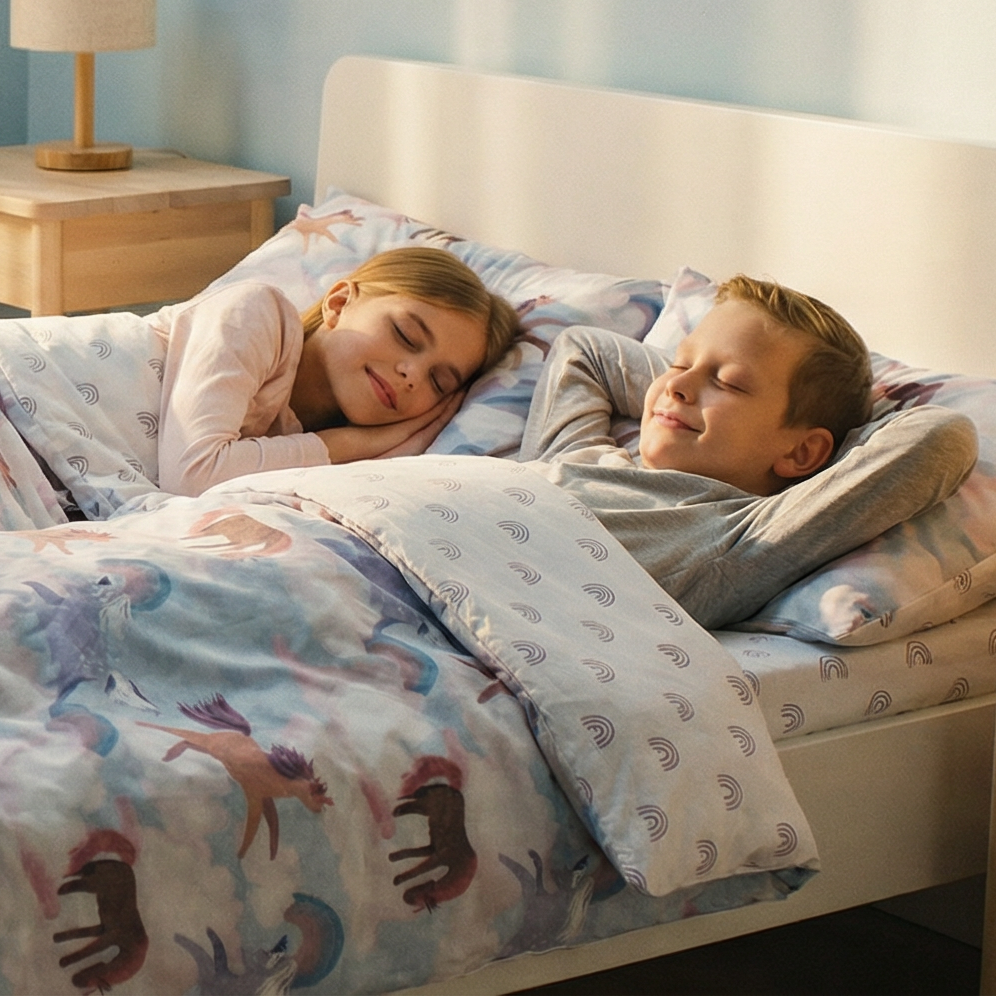
For children, studies recommend 10 to 30 percent of body weight. It is important that small children and babies are able to remove the weighted blanket from their body independently.
No matter which weight or size you choose, the most important thing is that you feel comfortable with the blanket and find the weight pleasant.
The ideal weight of a weighted blanket depends on individual factors. Generally, it is recommended to choose a weighted blanket that is approximately 10% of one's body weight. This means, for example, that a person weighing 80 kg could choose a weighted blanket weighing 8 kg.
Yes, a weighted blanket can be too heavy, and it's important to choose the right weight. If the weighted blanket is too heavy, exceeding 10-15% of one's body weight, it can be uncomfortable and counterproductive. A blanket that is too heavy can impair well-being instead of providing a calming effect.
In exceptional cases, it can also lead to breathing difficulties or intensify feelings of confinement.
If you are unsure or have specific health concerns, you should consult a weighted blanket expert before purchasing a weighted blanket.
Important Information
As a rule, the costs for a weighted blanket are not covered by health insurance. However, we recommend trying. We have heard of a few individual cases where the health insurance company covered a small part of the costs.
You can find more information on subsidy options here:
Weighted blankets are a popular therapy option for promoting relaxation and stress reduction. However, they are not suitable for infants or individuals with certain health conditions.
- Breathing difficulties: People with respiratory illnesses such as asthma or chronic obstructive pulmonary disease (COPD) might experience breathing difficulties due to the additional weight of the blanket.
- Cardiovascular diseases: Individuals with heart problems, heart disease, or high blood pressure should be cautious, as a weighted blanket could affect blood pressure.
- Circulatory disorders: People suffering from circulatory disorders should avoid a weighted blanket, as the pressure could impair circulation.
- Neurological disorders: Individuals with neurological disorders, such as epilepsy, should discuss the use of a weighted blanket with a doctor to clarify potential effects.
- Skin conditions: People with skin sensitivities, open wounds, or skin infections should ensure that the weighted blanket does not cause irritation or worsen skin problems.
As always, it is important to consider individual needs and health conditions and, if in doubt, seek medical advice before using a weighted blanket.