


All answers to your questions about weighted blankets
The Ultimate Weighted Blanket Guide
Overview
- How do weighted blankets work?
- How are weighted blankets made?
- How do therapy blankets help?
- How effective are weighted blankets?
- Which therapy blanket is right for me?
- How to use your therapy blanket correctly?
- How heavy can a therapy blanket for children be?
- Who are weighted blankets not suitable for?
- Are the costs of a therapy blanket covered by health insurance?
- What's the easiest way to cover my therapy blanket?
1.How do weighted blankets work?
Lying under a weighted blanket creates deep pressure that gives the brain the feeling of a loving hug. The blankets are adapted to body weight and, through their weight, promote the release of the happiness hormone serotonin and the sleep hormone melatonin. At the same time, cortisol levels (the so-called stress hormone) in the body are lowered. One feels safe, more relaxed, and falling and staying asleep is made easier, while anxiety is reduced.
You can find more information about the effects of weighted blankets here: Effects of weighted blankets
2.How are the weighted blankets made?
Our therapy blankets are handcrafted in our sewing workshop in Poland. The cotton used is certified (Oeko-Tex Standard 100 seal). The entire production of the products takes place in Europe. It is important to us that sustainable materials are used and fair working conditions prevail throughout the entire manufacturing process.
For more information about the manufacturing process of our therapy blankets, click here: Production of Weighted Blankets
3.How do weighted blankets help?
Weighted blankets are very versatile and can be used for various medical conditions. In addition to sleep disorders and stress, conditions such as ADHD, anxiety disorders, or dementia can also be positively influenced by the blanket's effects. The weight promotes the body and mind to switch off and relax after stressful and restless days. Persistent anxiety and panic can be better controlled and reduced.

4.How effective are weighted blankets?
Currently, there are few studies that scientifically prove the effectiveness of weighted blankets. This is partly due to the challenge of measuring a person's well-being in tests. A 2015 study investigated the effectiveness of weighted blankets in people with psychiatric disorders. 91% of participating adults stated that they felt more relaxed with the weighted blanket. However, weighted blankets are very often recommended by therapists, patients, and clients alike due to positive experiences.
Detailed information on the current research regarding weighted blankets can be found here: The Science Behind Weighted Blankets
5.Which weighted blanket is right for me?
Our weighted blankets come in various weight classes and sizes. The weight of the blanket should be approximately 10% of your own body weight. If you are between two weight classes, we recommend choosing the next heavier one. If the blanket feels too light or too heavy during your trial sleep, you can exchange it free of charge for a different weight, size, or model. To find the right weighted blanket for you, you can use our weighted blanket finder: Take the Quiz
6.How to use the weighted blanket correctly?
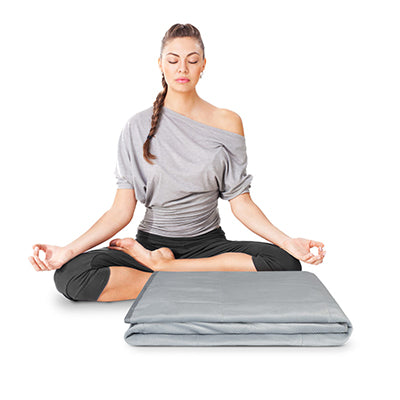
To maximize the benefits of sleeping with the therapy blanket, we recommend daily use of a weighted blanket. Our therapy blankets are perfect for a restful nap, sleeping through the night, and as a companion for relaxing on the couch or during meditation. Many people are also convinced that working with a weighted blanket across their lap improves concentration.
Do you have further questions about the correct use of the therapy blankets? To the application

7.How heavy can a weighted blanket for children be?
When it comes to therapy blankets, children's safety comes first. Please note that we recommend these blankets for children aged one year and older. The weight of the blanket should not exceed 10% of the child's body weight. It's best to try the recommended weighted blanket for your child and observe how they react: if you notice any discomfort, switch to a lighter blanket. It's not uncommon for this process to require a little trial and error.
8.Who are weighted blankets not suitable for?
Using a weighted blanket is generally safe and harmless. However, we advise against using a weighted blanket if you suffer from breathing disorders such as asthma or sleep apnea, or have heart and blood pressure problems. Diabetics should also consult their doctor before using the blanket. There is an option to choose a lighter weighted blanket or to place the blanket only on part of the body to avoid causing symptoms.
9.Will health insurance cover the cost of a weighted blanket?
Up to now, weighted blankets have not been included in the catalog of remedies by most health insurance companies, meaning that financial contributions are generally not guaranteed. Nevertheless, it is worth submitting an application, as costs can also be covered outside of standard cases. Ideally, you should include a letter of recommendation and/or a prescription from a doctor, naturopath, or therapist with your application. We would be happy to provide a cost estimate upon request.
10.What's the easiest way to put on my weighted blanket?
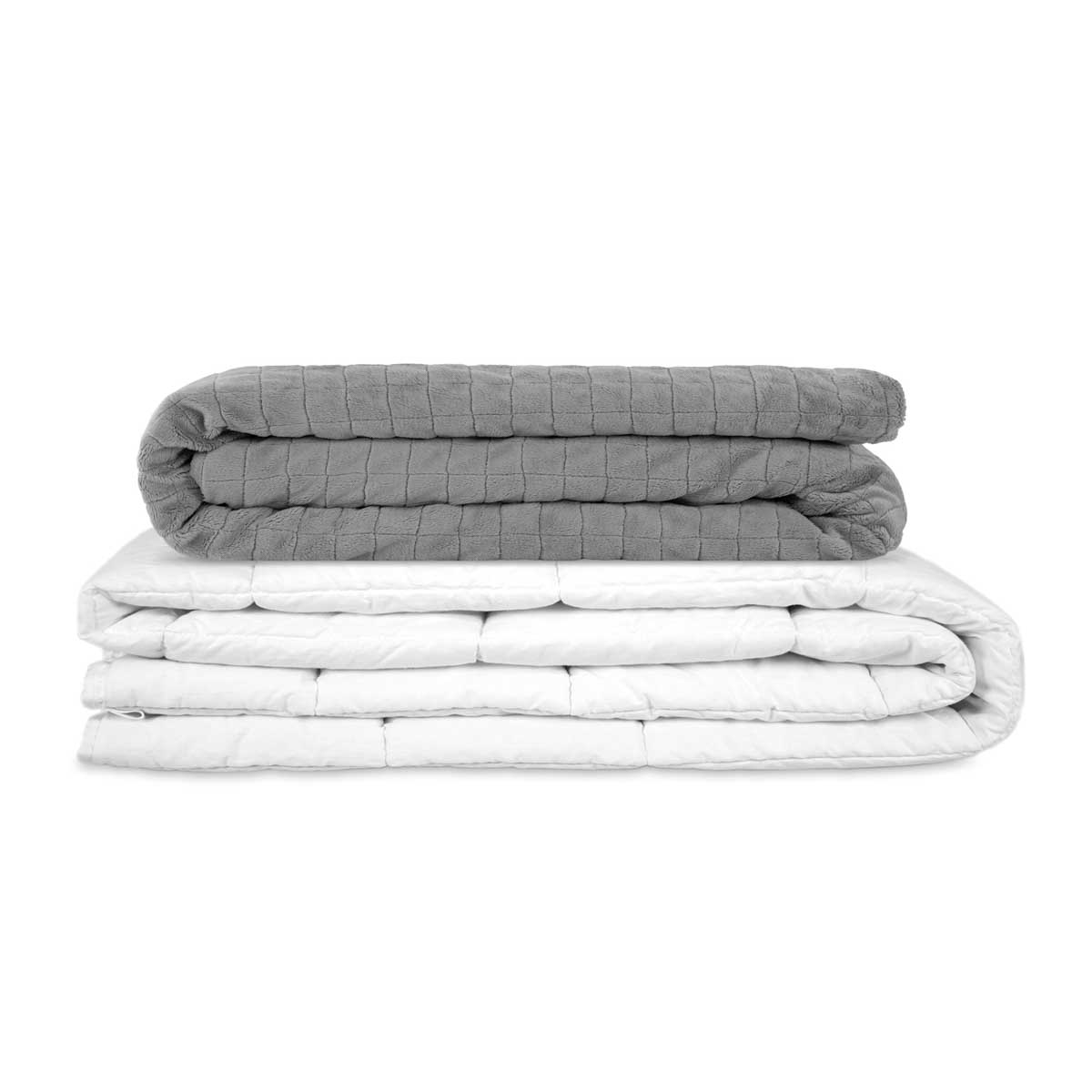
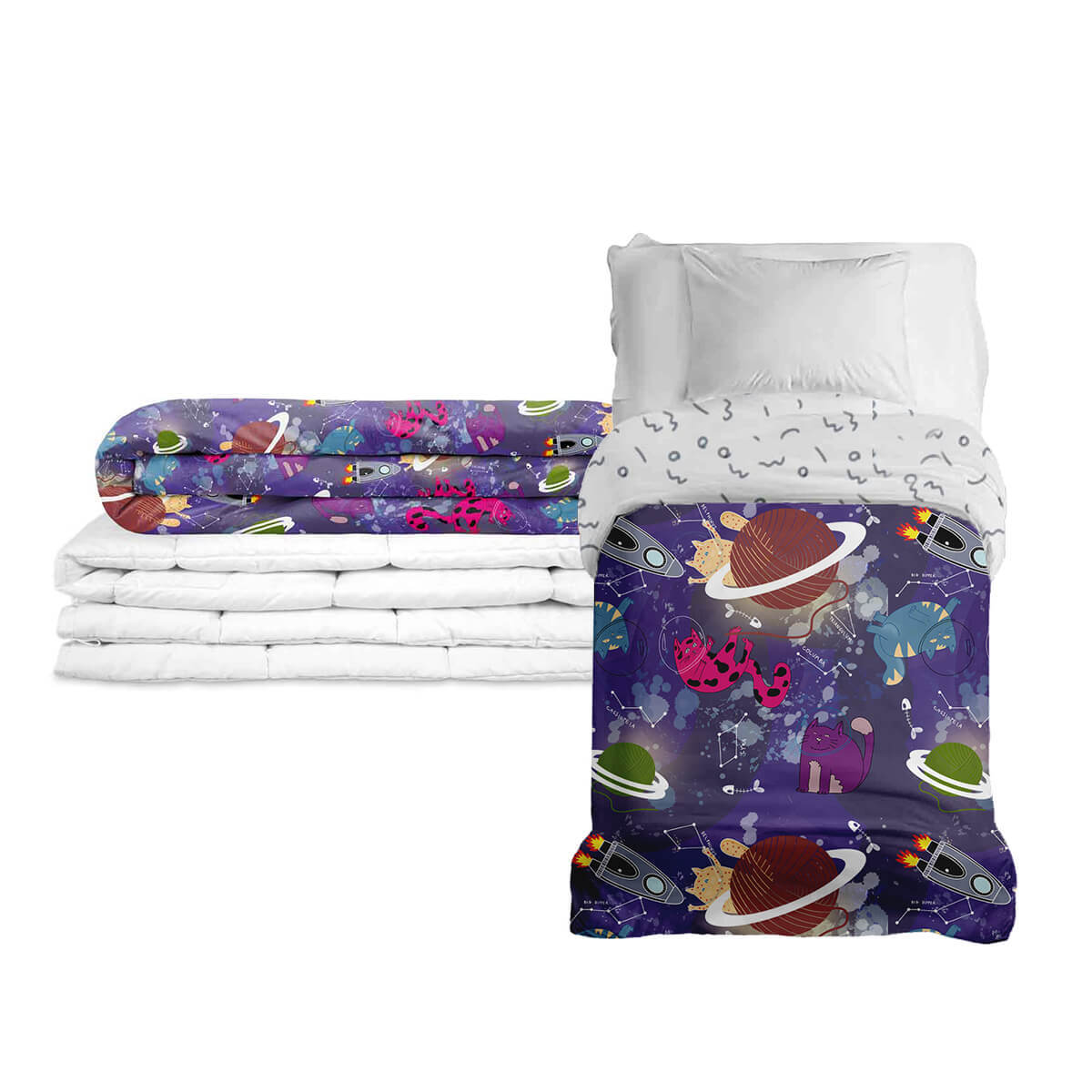
Changing covers on weighted blankets can be a challenge if you don't know how. The cover of the Balance weighted blanket can be removed and changed relatively easily using the zippers on the inner blanket. The cover of the Gravity weighted blanket is attached to the inner blanket with loops. We have illustrated how to change the Gravity blanket cover fastest in a video.
The two instructional videos can be found directly below this section.